Importance of Regular Trims: The Hidden Hair Secret

The importance of regular trims often gets overlooked, but trimming your hair is more than just a cosmetic thing. Trims mean cutting off damaged or split ends. They usually take off just enough to keep hair healthy, without changing your style.
When you skip trims, small problems grow. Split ends move up the hair shaft. Hair looks frizzy. Ends break more often. Over time, you lose more hair length than you’d think. Regular trims stop these issues early. They maintain hair health. They help hair look vibrant, alive, and strong.
In this article, you’ll learn how often to trim, how trims help, what happens if you don’t, and tips to choose the right trim schedule for your hair. Because knowing the importance of regular trims means better looking, longer lasting hair.
How Regular Trims Prevent Split Ends and Damage
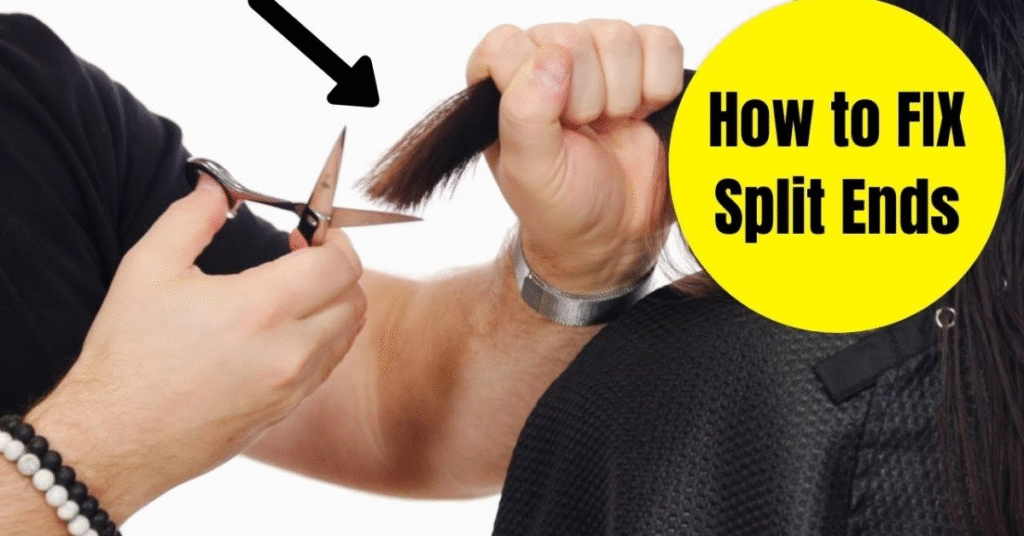
Split ends start when the very tips of hair strands get fragile. Damage from heat styling, chemical treatments, or just daily wear can make ends dry. Once the ends split, that damage climbs up the shaft. It makes hair weak, frizzy, and uneven.
Because split ends travel, they cause breakage. Hair breaks off instead of growing longer. That means you might be growing hair, but you don’t see the length because it breaks. Regular trims remove those compromised ends. They cut off split parts before they get worse.
When you keep up with trims, your hair stays stronger. Ends are healthier. Hair holds moisture better. Less frizz shows. Hair is easier to comb or style. Overall hair damage reduces. Therefore, trimming often protects hair from becoming unhealthy. And that is a central reason why the importance of regular trims is so high.
Regular Trims and Hair Growth: Do They Make Hair Grow Faster?
Many believe that trimming hair makes it grow faster. The truth is a bit different. Trims do not make the follicles work faster or increase the rate of hair production. Growth happens at the root. What trims do is protect what’s already growing.
Without trims, damaged ends lead to breakage. When ends break, you lose hair length. So even if your hair is still growing, it won’t look like it’s getting longer. When you trim off weak ends regularly, hair can maintain its length. So you appear to have faster growth, because you’re fighting off length loss.
Trims also help hair look fuller and healthier. Without broken or ragged ends, you keep more of what you’ve grown. So growth becomes visible. Regular trimming supports that by reducing damage. That’s part of the importance of regular trims helping you retain what you grow and making growth more noticeable.
How Regular Trims Improve Texture, Volume, and Appearance
Hair texture changes when parts of the strand are damaged. Rough, split ends make hair feel coarse. They reflect light poorly, so shine decreases. Volume dips because damaged ends are often thin and weak. All this makes hair look dull, flat, and unkempt.
By trimming regularly you remove those rough, weak ends. Hair becomes smoother. It feels more uniform from root to tip. That makes styling easier. Hair reacts better to conditioning, heat styling, or even simple brushing.
Volume improves because trimmed ends don’t weigh hair down. With less breakage and less splitting, hair strands stay thicker. Shine returns since hair ends are less ragged and reflect light better. These visible benefits show why the importance of regular trims lies also in how hair looks and feels, not just what’s happening under the surface.
How Often You Should Get a Trim: Guidelines
The frequency of trims depends on your hair type, length, how you style it, and how much damage it gets. But there are general guidelines.
| Hair Type / Situation | Recommended Trim Interval |
| Short hair (pixie, bob, etc.) | Every 4-6 weeks to preserve shape and style. |
| Medium length hair | Every 6-8 weeks, unless very healthy and with low damage. |
| Long hair | Every 8-12 weeks, especially if you’re trying to keep length. |
| Curly or coily hair | Every 6-8 weeks because curls tend to dry and split more. |
| Color-treated or chemically processed hair | More often: maybe every 6-8 weeks or sooner to deal with extra damage. |
These are general. You should look at how your hair behaves. If ends are splitting early, or hair starts looking dull or frizzy, you might need trims more often. If your hair remains healthy and strong, you might stretch the intervals. But erring on shorter intervals often helps maintain hair health.
What Happens If You Skip Trims Too Long
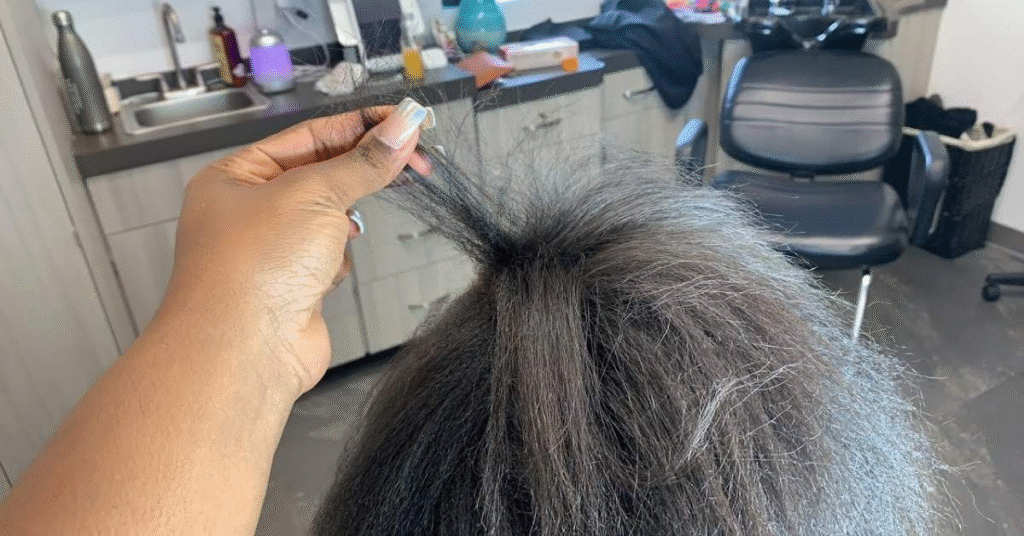
Skipping trims may seem fine, but problems mount. First, split ends worsen. They travel up the shaft. Then breakage increases. Hair ends may look little or ragged. Texture becomes uneven. Shine disappears.
Without regular trims, hair becomes harder to style. Tangling, knotting, and frizz become more frequent. Ends may flare out or look lifeless. Also, you may lose more length overall because hair keeps breaking. What seems like slow growth might really be damaging undoing growth.
Hair becomes more sensitive to environmental stress. Sun, pollution, heat tools are all damaging. Since damaged ends do not protect well, they allow more stress deeper into the hair. That leads to dryness, brittleness, even breakage closer to the scalp. So, skipping trims undermines what you try to do in hair care. This underscores the importance of regular trims: they prevent small issues from turning into bigger ones.
How Regular Trims Aid Styling and Manageability
Hair that is kept in good shape via trims is much easier to manage. When ends are healthy, hair combs smoothly. You spend less time detangling. Styling tools (blow dryers, straighteners, curlers) work more predictably.
Healthy ends hold styles better. If your hair is layered or styled in a particular way, trims help preserve the shape. Without trims, styles begin to lose form. Layers can droop. The ends look uneven. That makes hair look sloppy even if it’s clean.
Trimming also helps with daily maintenance. Hair responds better to products when damage is limited. Things like conditioning, serums, leave-ins do what they are supposed to do. They don’t get wasted on fixing big damage. So regular trims contribute to ease of styling, better results with products, less frustration. That’s part of the importance of regular trims many people don’t realize until they skip them.
Trims vs. Cuts: What’s the Difference (And Why It Matters)
People often confuse trims with full haircuts. A trim usually means taking off small amounts just enough to remove damaged or split ends without changing the overall style. A cut can change shape, length, or style significantly.
Because trims are smaller, they can happen more often and are less disruptive. You keep your style, but maintain health. Cuts are more dramatic, for when you want change.
Knowing the difference matters when planning. If your hair style is something you love, regular trims keep that style sharp. If you want to change shape or look, then cuts are appropriate. But even when cutting, knowing about the importance of regular trims inside that process helps: after a major cut, trimming regularly helps keep the new style looking its best.
Tips to Make Trims More Effective
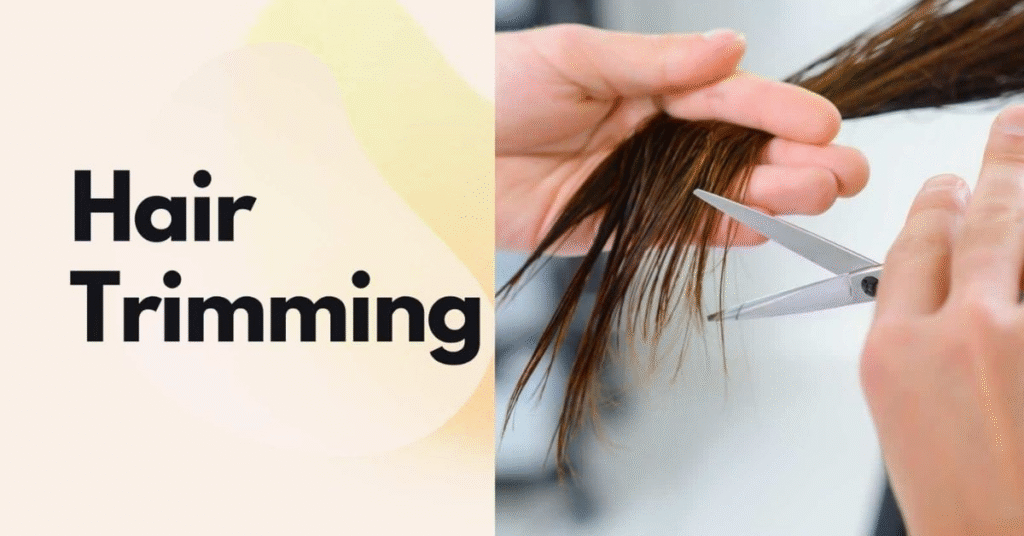
To get the most out of your trims, do a few things differently:
Use a trusted stylist who knows about your hair type. They will remove just enough without overcutting.
Keep up with hair care in between trims: use good conditioner, protect hair from heat, avoid harsh chemical treatments. Healthy hair means trims can be spaced better. But if you constantly overload damage, even frequent trims won’t help much.
Watch your hair ends. If you notice split ends, uneven texture, frizziness at tips, or tangles more often, it’s time for a trim even if the schedule says not yet.
Trim after chemical processes (color, bleaching, straightening). These can weaken ends. A light trim soon after helps remove the worst damaged parts.
Set reminders or stick to schedule. Sometimes hair health slips because people simply forget. Trims every 6-8 weeks or whatever your interval becomes should be part of your self-care routine.
Conclusion
The importance of regular trims is that they protect what you already have. They stop split ends, reduce breakage, improve texture, shine, and manageability. They help you keep length, style, and health. Trims also make styling easier, reduce frustration, and save time in the long run.
Although trims don’t speed up the biological growth at roots, they help you keep more length by preventing loss. And visually, healthy ends make a big difference: smoother, fuller, more vibrant hair.
If you care about how your hair looks, feels, and behaves, regular trims are not an optional extra; they are a key part of hair care. Embracing them means investing in healthier, happier hair.
F&Qs
Q: Do regular trims make hair grow faster?
Trims do not speed up the roots’ growth, but by removing weak or split ends, they prevent breakage. That means you keep more length, so hair seems to grow faster.
Q: How can I tell if I need a trim before the usual interval?
If ends are splitting, frizzy, dull, or hair tangles often, those are signs. Also if your style loses shape or ends look uneven.
Q: What happens if I never trim my hair?
You’ll likely have more breakage, loss of length, dull and lifeless ends, harder to style, and more damage that travels up the hair.
Q: Can trimming often damage hair or make it thinner?
No, when done correctly a trim removes only damaged ends. If hair is very thin, a skilled person can trim in a way that keeps shape without losing volume. Overtrimming (cutting too much) can reduce visible length, but proper trims support health.
Q: Is there a perfect trim schedule for everyone?
No. It depends on your hair type, length, how much styling or chemical damage you do. Use the general guidelines and adjust. Watch your hair’s condition and respond when signs of damage appear.

Raza is a passionate men’s grooming enthusiast specializing in modern and classic haircuts. He delivers expert insights, trends, and styling tips for all hair types.