Hair Care for Dry Hair: Simple Tips for Soft, Shiny Strands

Dry hair doesn’t just affect how your hair looks, it also impacts how confident you feel. When strands are rough, frizzy, and break easily, styling becomes a daily struggle. The good news is that hair care for dry hair doesn’t have to be complicated. With a few simple changes to your routine like gentle washing, deep conditioning, and nourishing oils you can bring life back to your locks without spending a fortune on expensive treatments.
Consistency is the secret. Just like healthy skin needs regular care, your hair needs ongoing attention. A balanced diet, enough water, and protection from daily damage go hand in hand with good products. By treating your hair kindly every day, you’ll notice it slowly regains softness, shine, and strength. Remember, the journey to healthy hair is steady, but the results are worth it.
What Causes Dry Hair
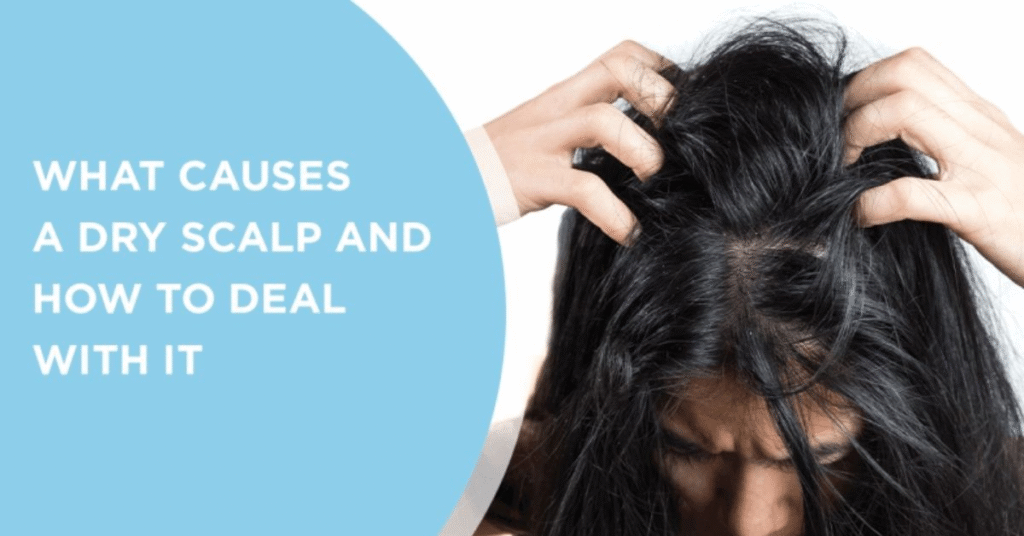
Dry hair happens when strands lose more moisture than they retain, often because the outer cuticle layer is damaged. Very hot showers, harsh shampoos, and daily heat styling tools like straighteners or blow dryers strip natural oils that keep hair soft.
Environmental factors matter too. Sun exposure, wind, dry climate, or swimming in chlorinated water all make hair lose moisture.
Other causes are chemical treatments like bleaching, perming, or excessive coloring. They lift or damage the cuticle making it hard for hair to hold moisture.
Internal health also plays its role. If you don’t have enough water, if nutritional deficiencies exist (like low protein, low vitamins), or there’s hormonal imbalance, hair can suffer and become dry.
Aging is a factor: as we age, the scalp produces fewer oils naturally, and hair cuticles might be weaker. That makes moisture harder to maintain.
Signs Your Hair Needs Hair Care for Dry Hair
You may not always realize your hair is too dry until certain signs appear. Hair that looks dull, lacks shine, and feels rough to touch is often dry. When hair seems frizzy, brittle, or “straw-like,” that means it has lost moisture.
Split ends and breakage show up more easily because dry hair is more fragile. When strands snap or break when you comb or style, that’s a classic signal.
When hair is wet, you might notice it feels stiff, weighed down, or tangles excessively. Also after washing, if drying takes very long or hair looks very limp or straw-like, these are signs.
Scalp issues often accompany dry hair. If the scalp is itchy, flaky, or tight, that suggests moisture loss. Sometimes flakes are just dry skin, not dandruff.
Daily Routine: Hair Care for Dry Hair
To treat dry hair, you need a routine that nourishes, protects, and restores. Daily habits count a lot.
Start with washing. Don’t wash too often. Washing hair every day removes the natural oils that protect and moisturize. It’s better to wash 1-2 times per week if possible. Use lukewarm water, not hot, because hot water strips moisture.
Choose the right shampoo and conditioner. Use gentle, sulfate-free or mild shampoos that clean without harsh stripping. After shampooing, always apply a good conditioner. Leave conditioner on a little while before rinsing so hair has time to absorb moisture.
After towel drying, use leave-in conditioners, light creams, or serums especially on your hair ends. They help lock in moisture. Be gentle when brushing. Wet hair is vulnerable: use a wide-tooth comb, detangle gently from tips toward roots.
Dry naturally when possible. If you must use heat tools, use a heat protectant spray, keep temperature low, and avoid direct hot airflow. Also trim split ends regularly. That prevents damage from traveling up the strand.
Deep Treatments & Home Remedies
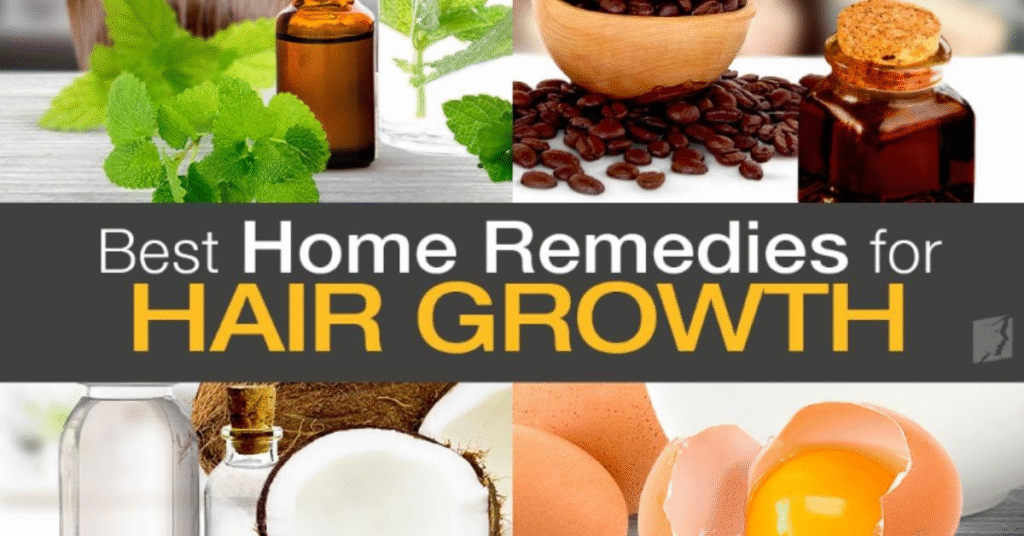
Beyond daily care, deeper treatments revive very dry hair. They heal damage and restore moisture.
Use deep conditioners or hair masks once or twice a week. These are richer than regular conditioners and penetrate more deeply into each strand. Leave them on for the time recommended (often 10-30 minutes). Some people cover hair with a shower cap or wrap to trap warmth; this helps ingredients absorb better.
Natural oils help a lot in hair care for dry hair. Oils like coconut oil, argan oil, olive oil, almond oil can be used as pre-wash treatments, mask additives, or leave-ins. Warm them slightly, massage into hair and scalp, leave for a while, then rinse. They help smooth the cuticle and trap moisture.
DIY hair masks using simple kitchen ingredients are helpful. For example, yogurt + honey + banana, or avocado + olive oil, or egg yolk + coconut oil. These supplies give protein, fats, and moisture. Using them occasionally gives hair a soft feel. Be careful if using protein masks too often they can make hair stiff. Mix protein with moisturizing ingredients to balance.
Protecting Hair: Key in Hair Care for Dry Hair
Protection matters because even small damage over time causes more dryness.
Heat tools need protection. Always use a heat protectant product if you are going to blow dry, straighten or curl. Lower the temperature setting. Avoid using heat tools on wet hair when possible.
Sun, wind, and environmental exposure dry out hair. When outside, use hats or scarves. Use hair products with UV protection or that seal moisture. If swimming, rinse hair before and after, because chlorine or salt worsens dryness. Use swim caps.
Use gentle accessories. Silk or satin pillowcases reduce friction at night. Avoid tight hair ties, harsh brushes or combs that pull hair. These reduce breakage. Gentle brushing helps distribute natural oils from scalp to ends.
Hair Care for Dry Hair: Diet, Hydration & Health
Your hair reflects the foods and beverages you consume. Hydration from inside helps greatly.
Drink enough water daily. Dehydration affects skin and hair. Hair that gets little water looks lifeless. When you hydrate well, hair is better able to absorb moisture from hair care products.
Get enough protein. Hair is made mostly of protein (keratin). If a diet is lacking protein, hair becomes weak and dry. Include lean meats, eggs, legumes, nuts.
Vitamins and minerals matter. Vitamins A, C, D, E, plus zinc, iron, omega-3 fatty acids help hair health. For dry hair, omega-3s (from fish or flaxseed) help scalp produce oils. Biotin also helps.
Watch for health issues. Thyroid problems, hormonal changes, or certain skin conditions can cause dryness in hair or scalp. If hair remains dry despite care, see a doctor.
Special Considerations by Hair Type
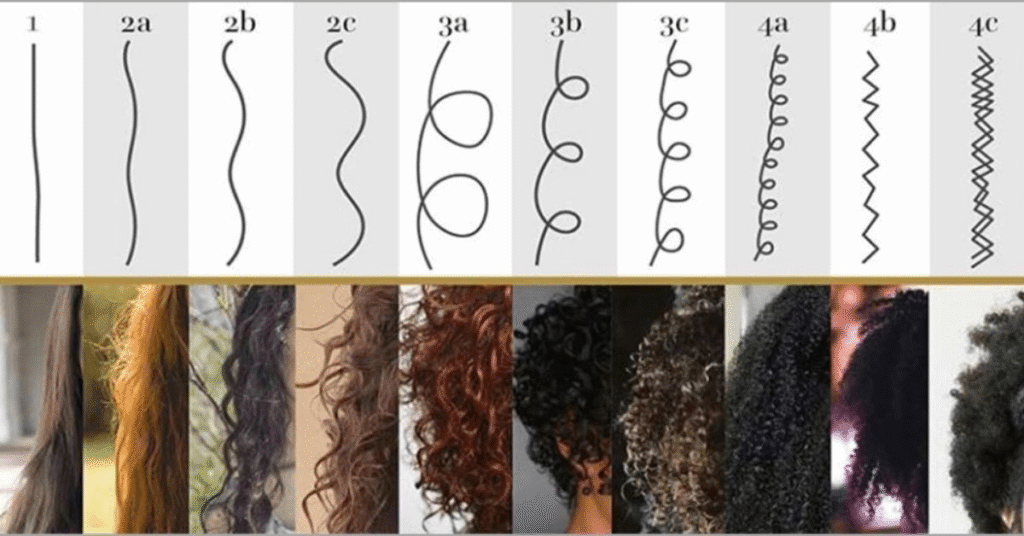
Your hair type changes what “hair care for dry hair” means.
Fine vs coarse hair: coarse hair often is drier because it has less surface oil coverage. It needs richer moisturizers and oils. Fine hair can get weighed down if too much heavy product is used so choose lighter creams or leave-ins.
Curly or wavy hair tends to be drier than straight hair because oils from the scalp have a harder time traveling down curls. Curly hair benefits from co-washing (using conditioner to wash) or gentler cleansers, plus more leave-ins and weekly masks.
Color-treated or chemically treated hair is more damaged. Use products specifically for color-treated hair, that are gentle and that help restore the cuticle. Avoid overlapping chemical treatments and give hair rest periods.
Hair Care for Dry Hair: Do’s and Don’ts
Here are things to definitely do, and things to avoid, when caring for dry hair.
Do use mild, moisturizing shampoos. Use conditioner every wash. Use leave-ins or serums. Use deep conditioning or mask weekly. Use natural oils. Trim split ends. Protect hair from heat and environment. Drink lots of water, eat well. Use gentle accessories.
Don’t shampoo every day. Don’t use harsh sulfates, strong alcohols, or too many chemical treatments. Don’t use very hot water. Don’t use heat tools at high temperatures without protection. Don’t brush wet hair roughly. Avoid tight hairstyles that pull. Don’t ignore scalp health.
When to Seek Professional Help
If you follow good routines, and your hair care for dry hair efforts aren’t helping, then it might be time to consult a professional.
Persistent dryness, hair breakage, or scalp problems (itching, flaking, pain) that don’t improve after weeks of care suggest an underlying issue.
If you see deep split ends, thinning of hair, or scalp irritation, a dermatologist or trichologist can help by examining your scalp, perhaps running tests (for thyroid, nutrients etc.), and recommending treatments like protein treatments, salon deep repairs, or medical treatments.
Salon treatments like keratin treatments, bond-repair treatments, protein infusions, or smoothing therapies can help when dry hair is severe.
Quick Reference for Best Hair Care for Dry Hair
| Problem | What to Do | Avoid |
| Washes strip moisture | Wash 1-2 times a week; use mild shampoos | Daily shampooing; harsh sulfates |
| Heat styling damage | Use heat protectant, low heat, air dry | High heat, frequent straightening/curling |
| Dry ends & split ends | Trim regularly; use oils or leave-in | Ignore split ends; rough brushing |
| Scalp dryness | Use gentle scalp masks, moisturizing shampoos, oils | Scratching; strong fragrances; hot water |
| Environmental exposure | Cover hair; rinse after swimming; use UV protection | Long sun exposure; direct chlorine/salt water contact |
Conclusion
Taking good care of dry hair means both adding moisture and preventing damage. With gentle cleansing, deep treatments, natural oils, healthy diet, and protection from heat and environment, you can transform dry, brittle hair into soft, shiny, strong hair. Remember, consistency is key. If after trying for several weeks nothing improves, professional help can guide you further. Your hair deserves that care.
FAQs
What products are best for hair care for dry hair?
Look for moisturizing and gentle formulas. Products with natural oils (argan, coconut, olive), humectants (glycerin), and sulfur-free ingredients help. Leave-in conditioners, serums, hair masks, and light oils are very useful.
How often should I wash my hair if I have dry hair?
Washing just once or twice per week is often ideal. Too frequent washing removes natural oils. Between washes, gentle cleansing or co-washing (using conditioner only) can help maintain cleanliness without stripping moisture.
Can natural home remedies help with hair care for dry hair?
Yes, natural remedies like oil masks (coconut, olive, argan), DIY masks with yogurt, honey, and bananas are good. They give moisture and nutrition. Use them occasionally so hair keeps a balance between moisture and strength.
Is heat styling okay sometimes?
Occasionally yes, but always with care. Use a heat protectant, set tools to low/medium heat, avoid using wet hair, and limit how often. This prevents extra moisture loss and cuticle damage.
How do I know if dryness is because of a health issue?
If dryness persists after following good hair care for dry hair, if hair is thinning, scalp is severely irritated or you see other symptoms like fatigue, weight changes, it might be from health issues such as thyroid imbalance or nutrient deficiencies. Then see a dermatologist or doctor.

Raza is a passionate men’s grooming enthusiast specializing in modern and classic haircuts. He delivers expert insights, trends, and styling tips for all hair types.