How to Do a Blunt Cut for a Clean, Modern Hair Shape
Introduction
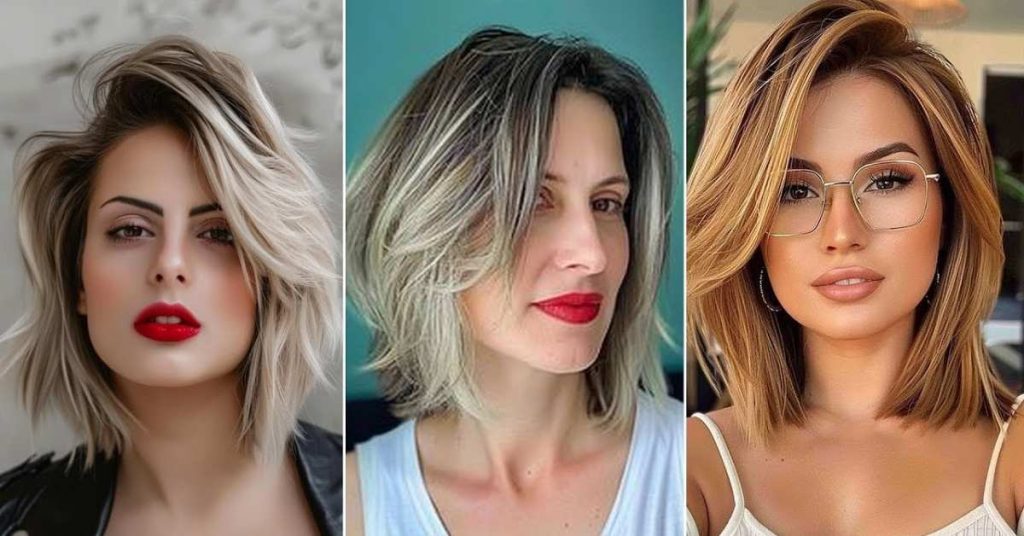
Hair trends change quickly, but strong styles always find their way back. For years, soft layers, messy waves, and undone textures dominated salons. During that time, the look felt easy and playful. However, many people now want something stronger. Instead of softness, they want hair that looks intentional. More importantly, they want hair that feels powerful. Because of this shift, searches for how to do a blunt cut are growing every day.
At its core, the hair cut is not just a haircut. Rather, it is an attitude. It represents confidence, clarity, and control. From past fashion icons to today’s runway models, cut has always symbolized strength. Now, it is making a bold return. In this guide, you will learn everything you need to know about this cut, who it suits, and why it may be the smartest hair choice right now.
The Return of the Blunt Cut in Modern Fashion
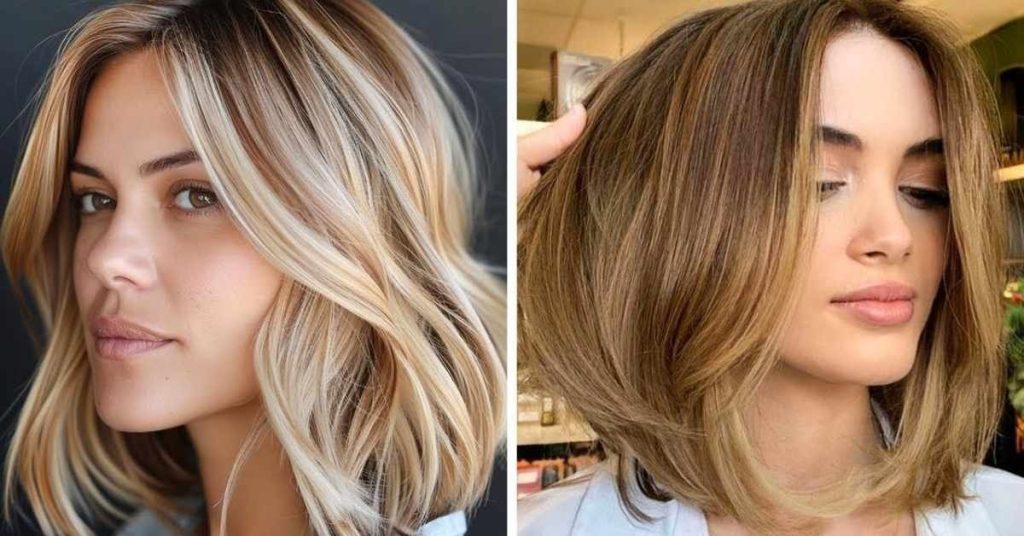
Fashion always moves in cycles. After years of soft and casual hairstyles, structured looks are back. Designers are favoring sharp silhouettes again. Hair trends follow the same pattern. The blunt cut fits perfectly into this shift. It looks clean, strong, and deliberate.
Icons like Cher, Carine Roitfeld, and classic Versace runway models wore blunt hair with confidence. Today, modern influencers and stylists are bringing that energy back. The cut photographs well, frames the face beautifully, and feels timeless.
What Exactly Is a Blunt Cut
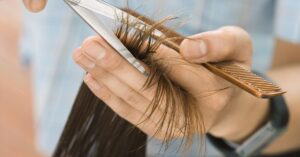
A blunt cut is defined by one main feature. The ends are cut straight across with no visible layers. The scissors move in a clean horizontal line. This creates a sharp and graphic edge. When done correctly, the hair looks thicker and healthier.
Unlike layered styles does not rely on texture for movement. Instead, it relies on shape. This makes it ideal for people who want their hair to look full and polished. Understanding this definition is the first step in mastering blunt cut properly.
Blunt Cut Versus Layered Hairstyles
Layered haircuts remove weight and create softness. They work well for casual styles. However, they can make fine hair look thin over time. A blunt cuts does the opposite. It keeps weight at the ends, which makes hair appear denser.
When comparing the two, blunt cuts last longer. They grow out more evenly. They also require fewer touch-ups. That is why many stylists recommend blunt cuts for people who want low-maintenance yet powerful hair. This difference explains why so many people want to learn how to do a blunt cut instead of choosing layers.
Who Should Choose a Blunt Cut
A blunt cut works best for fine to medium hair textures. The clean line creates instant fullness. Hair looks thicker without added products. This makes blunt cuts ideal for people struggling with flat or lifeless hair.
Thicker hair can also benefit from a blunt cut. The key is proper technique. Without weight control, thick hair can feel heavy. That is why understanding blunt cut for different hair types is essential. With the right approach, blunt cuts truly work for everyone.
Hair Texture and Density Explained Simply
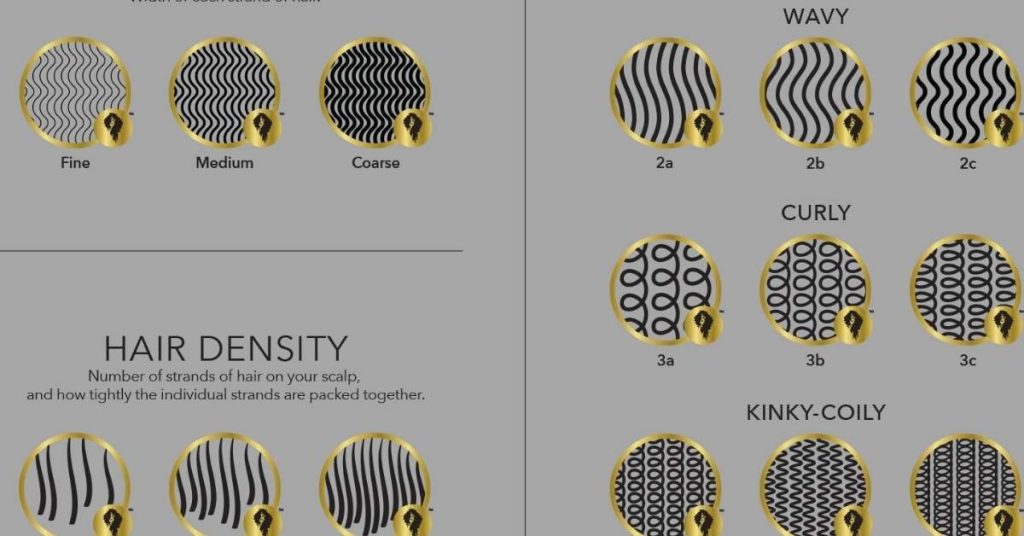
Texture refers to how hair behaves naturally. Density refers to how much hair grows on the scalp. Both affect how a blunt cut looks. Straight and slightly wavy hair show blunt lines clearly. Curly hair can still wear blunt cuts, but shrinkage must be considered.
High-density hair requires internal shaping. This keeps the haircut balanced. Low-density hair benefits from blunt edges because they create fullness. Knowing your texture and density helps you understand this cut that looks intentional rather than accidental.
How to Do a Blunt Cut: Core Cutting Technique
The most important rule is precision. The scissors must cut straight across. No angle, No point cutting, No softening at the ends. Every strand must meet the same line.
Sectioning the hair evenly is critical. Tension must stay consistent. Even small mistakes show clearly in blunt cuts. This technique requires patience. When done correctly, the result looks polished and professional.
This Hair at Home Safely
Many people attempt blunt cuts at home because the style looks simple. However, simplicity can be deceptive. Hair should always be cut in its natural state. If you wear your hair straight, cut it straight. If you wear it wavy, cut it that way.
When learning how to do a blunt cuts at home, trimming small amounts is safer. It is easier to remove more later than fix mistakes. Good lighting and mirrors are essential for symmetry.
Professional Techniques for Thick Hair
Thick hair requires advanced methods. For instance, one popular approach involves removing weight underneath without disturbing the outer line. Specifically, Stylists often reduce bulk near the occipital bone. This area sits at the lower back of the head.
By undercutting discreetly, the hair keeps its blunt appearance while feeling lighter. This technique proves that blunt cuts are not limited by hair type. Mastering how to do a blunt cut professionally means understanding these hidden adjustments.
Choosing the Right Length for a Blunt Cut
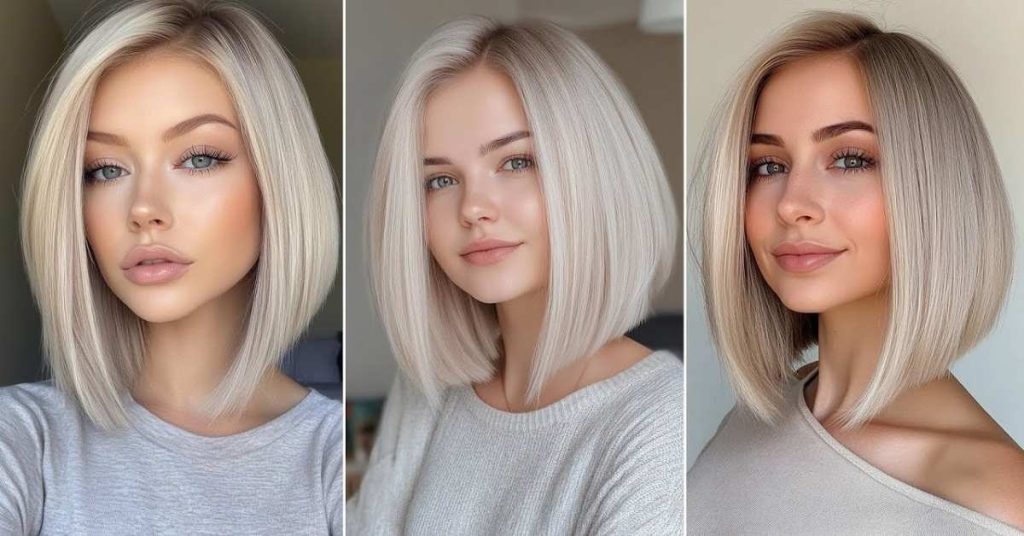
Blunt cuts work at many lengths. Short blunt bobs feel bold and modern. Medium blunt cuts offer versatility. Long blunt cuts feel dramatic and elegant.
Each length communicates a different mood. Short cuts emphasize facial features. Long cuts create movement through weight. Understanding length helps refine blunt cut that matches your personal style.
Styling a Blunt Cut for Everyday Life
Styling a blunt cuts is surprisingly easy. Sleek styles highlight the sharp edge. Blow-drying with a round brush adds polish. Flat ironing enhances the graphic line.
For softer looks, gentle waves work well. The blunt edge still remains visible. This balance between structure and movement makes blunt cuts incredibly versatile. Learning blunt cut also means knowing how to style it confidently.
Maintaining a Blunt Cut Over Time
Blunt cuts require regular trims to stay sharp. Hair grows unevenly, which can blur the line. Trimming every six to eight weeks keeps the cut fresh.
Proper care also matters. Avoid over-texturizing products. Use nourishing treatments to protect the ends. This maintenance routine ensures your blunt cuts remains strong and healthy.
Common Blunt Cut Mistakes to Avoid
One common mistake is over-thinning the ends. This defeats the purpose of a blunt cut. Another mistake is uneven tension during cutting. This creates crooked lines.
Understanding these errors helps refine blunt cuts correctly. Awareness is often the difference between a sharp haircut and a disappointing one.
Why Winter Is Perfect for a Blunt Cut
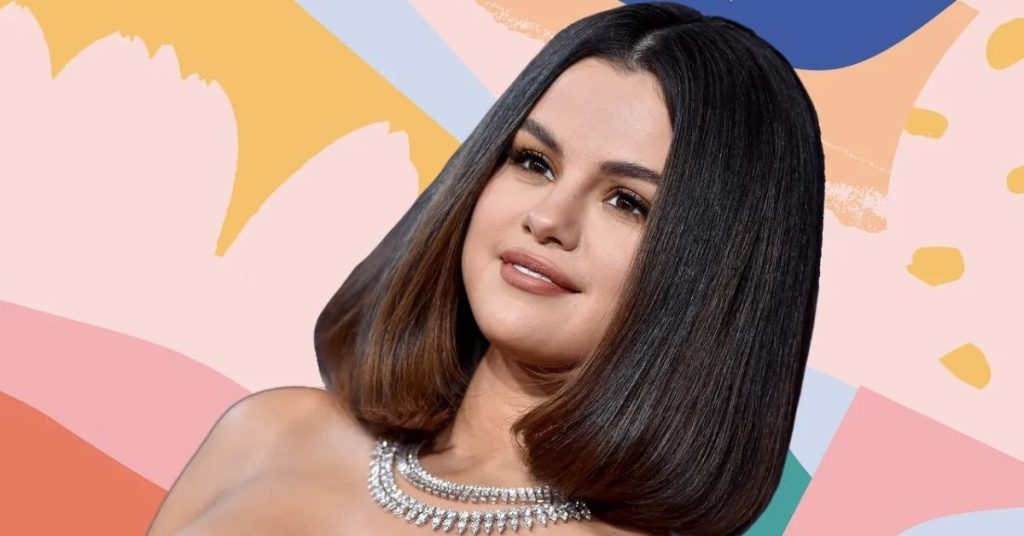
Cold seasons are ideal for hair changes. Hats and scarves allow room for experimentation. If adjustments are needed, growth is less stressful.
Winter styling also complements blunt cuts. Coats and structured clothing pair beautifully with sharp hair lines. This seasonal advantage makes winter the perfect time to try a blunt cut.
Modern Variations of the Blunt Cut
Blunt cuts continue to evolve. The blunt lob offers balance between length and boldness. The micro blunt bob feels edgy and fashion-forward.
These variations prove that blunt cuts are not boring. They adapt to trends while maintaining their core strength. Exploring these styles deepens your understanding of blunt cut creatively.
Conclusion
The blunt cut is more than a trend. It is a timeless hairstyle rooted in confidence and clarity. As fashion moves back toward structure, the blunt cut feels perfectly placed. Learning how to do a blunt cut empowers you to embrace strong lines and healthy hair.
Whether you choose a short bob or a long sleek style, the blunt cut delivers impact. With the right technique and care, it remains one of the most powerful hair choices available today.
FAQs
How often should I trim a blunt cuts?
In general, a blunt cuts should be trimmed every six to eight weeks. This timing helps maintain a clean, sharp line. At the same time, regular trims prevent split ends and keep the hair looking healthy. As a result, the cut stays polished for longer.
Can curly hair have a blunt cuts?
Yes, curly hair can have a blunt cuts. However, shrinkage must be considered before cutting. Because curls spring up, the final length may look shorter once dry. For this reason, experienced cutting techniques are important to achieve balance.
Does a blunt cuts damage hair?
No, a blunt cust does not damage hair. In fact, it often protects the ends. Since blunt cuts avoid heavy texturizing, the hair experiences less breakage. Over time, this helps maintain stronger and healthier ends.
Is a blunt cuts good for thin hair?
Yes, a blunt cuts works especially well for thin hair. Because the ends remain full, the hair looks thicker and denser. As a result, many people choose blunt cuts to create the appearance of more volume