Textured vs Layered Hair: Which Cut Will Transform You?

Walking into a salon with a haircut idea feels exciting, but the moment your stylist starts asking questions, it can quickly become overwhelming. If you’ve ever hesitated between textured vs layered hair, you’re not alone. People often confuse these two techniques, yet they deliver very different results. Both add movement, volume, and shape, but the approach and final look set them apart.
Think of it as choosing between two kinds of artwork. A layered haircut works like a sculpture structured, precise, and designed to create balance. A textured haircut feels more like a painting soft, free-flowing, and full of life. The key lies not only in knowing the definitions but also in understanding how each cut works with your hair type, face shape, and lifestyle.
In this guide, we break down the differences between textured and layered hair, share styling options, and show you how to pick the right one. By the end, you’ll know whether to ask your stylist for movement through texture or volume through layers, and you’ll step out of the salon with confidence.
What is Textured Hair?
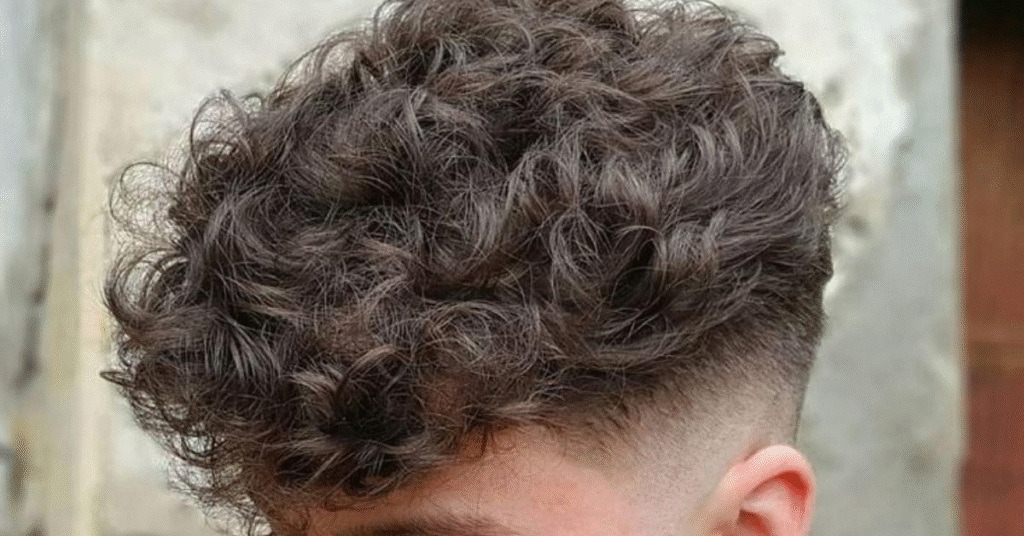
When people hear textured hair, they often think of curly or wavy strands. But in styling terms, texturizing is a technique, not a hair type. It involves cutting the hair in ways that add dimension, softness, and movement. Instead of leaving the ends blunt, a stylist uses techniques like point cutting, razoring, or slicing to break up the heaviness.
Imagine a canvas where the brush strokes are varied and free-flowing. That’s what texture does for hair: it makes it look less flat, more lived-in, and effortless. For people with naturally straight hair, texturizing can make styles look less stiff. For those with curls or waves, it enhances the natural pattern, giving it definition without bulk.
The beauty of textured cuts is that they often lean toward low-maintenance styling. A bit of sea salt spray, dry wax, or mousse can highlight the texture, making your hair look polished yet natural. This is why texture is loved by those who want the freedom of a wash-and-go hairstyle.
What is Layered Hair?
Now let’s flip to the other side of the mirror: layered hair. Layers are one of the most classic haircut techniques in hairstyling. Here, the stylist creates sections of different lengths throughout your hair. Shorter layers sit on top while longer layers fall beneath, creating a cascade effect that adds volume, bounce, and shape.
If texture is a painting, layers are a sculpture. They give structure and help frame the face beautifully. Whether you have long, medium, or short hair, adding layers can make it look more dynamic. Long layers soften the weight of thick hair, while shorter layers add volume to finer strands.
What’s even better is the versatility of layered haircuts. From a layered bob that looks sleek and modern to long cascading layers that mimic the movement of waves, there’s something for everyone. Styling layers can be as simple as blow-drying for bounce or using a curling iron to define each section.
Unlike texture, which creates a messy, tousled vibe, layers are more about structure and balance. That’s why they’re a go-to for people who want a polished, styled look.
Textured vs Layered Hair: The Core Difference
So, what’s the real difference between textured and layered hair? While both add movement, the approach is completely different.
- Textured Hair: Focuses on breaking up uniformity. The stylist removes bulk and adds soft, uneven edges for a natural look. Perfect for those who want a carefree, effortless style.
- Layered Hair: Focuses on shaping the cut. The stylist creates distinct sections of varying lengths to build volume, bounce, and face-framing structure. Ideal for those who want precision and styling options.
Here’s a simple table to make it clearer:
| Feature | Textured Hair | Layered Hair |
| Cutting Technique | Point cutting, razoring, slicing | Creating sections at different lengths |
| Final Look | Tousled, natural, lived-in | Structured, balanced, voluminous |
| Best For | Wavy, curly, or straight hair needing softness | Fine, thick, or flat hair needing shape |
| Styling | Low-maintenance, air-dry friendly | Versatile, great with heat tools |
| Vibe | Carefree, effortless | Polished, sculpted |
Both techniques can be combined. A stylist might add layers for structure and then use texturizing for softness, giving you the best of both worlds.
Which One is Right for Your Hair Type?
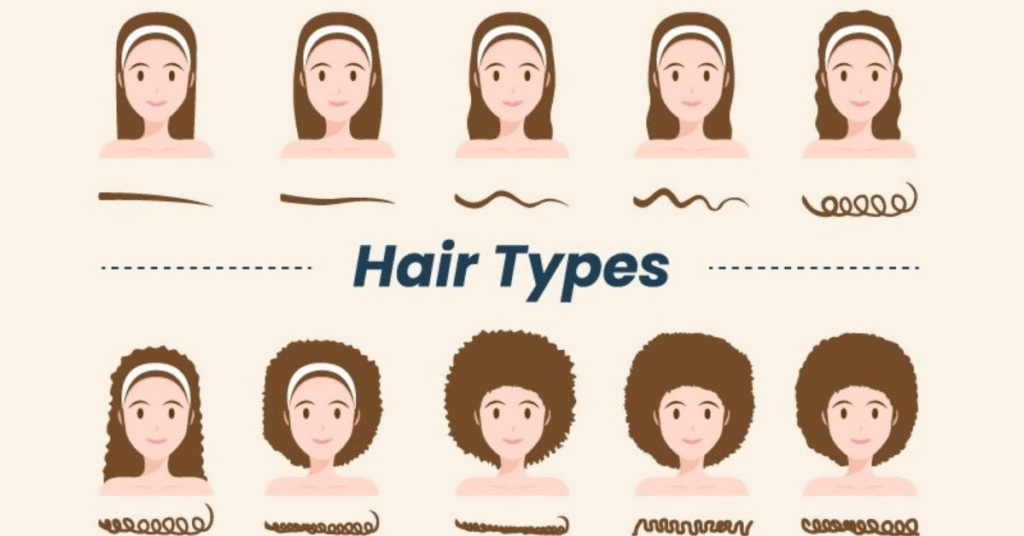
Choosing between textured vs layered hair often depends on your hair type and lifestyle. Let’s break it down:
- For Thick Hair: Layers are perfect for removing bulk while keeping shape. Add texture if you want extra lightness.
- For Fine or Thin Hair: Layers can give the illusion of fullness, but too much texturizing can make it look flat. Go light on texture.
- For Wavy Hair: Texture works wonders to enhance the natural movement. Combine with long layers for balance.
- For Curly Hair: A blend of layers and texture keeps curls bouncy and defined without looking heavy.
- For Straight Hair: Layers add interest and framing, while texturizing prevents it from looking too sharp or blunt.
Your lifestyle also matters. If you prefer a low-maintenance routine, textured cuts might be best. If you enjoy styling and experimenting, layered cuts give more options.
Styling Textured Hair
The beauty of textured hair is that it often looks good with minimal effort. That’s why it’s popular among people who prefer natural, undone styles. Products like sea salt spray, dry shampoo, and texturizing wax can emphasize the separation and movement.
Air-drying works especially well, as the uneven edges fall naturally into place. For an evening look, you can twist sections of hair while drying or add soft curls with a curling wand to enhance the texture. Braids and messy buns also look chic with textured cuts because the hair already has grip and movement.
If you want to test the waters before cutting, use styling products to mimic texture at home. Sprays that add grit and separation can give you a preview of how textured haircuts would look on you.
Styling Layered Hair
Layered hair opens the door to endless styling possibilities. Since layers are about structure, they work beautifully with heat tools. You can create soft curls, big waves, or sleek straight looks that showcase the movement of different lengths.
Blow-drying with a round brush adds volume at the crown, while flat ironing gives a smooth, elegant finish. Long layers can be styled with rollers or curling wands for a glamorous effect. Shorter layered cuts, like a layered bob, can look edgy with waves or chic when straightened.
Products like volumizing mousse, root lift sprays, and light-hold hairsprays are your best friends with layers. They help hold the structure and bounce without weighing your hair down.
Textured vs Layered Bob: The Trending Battle
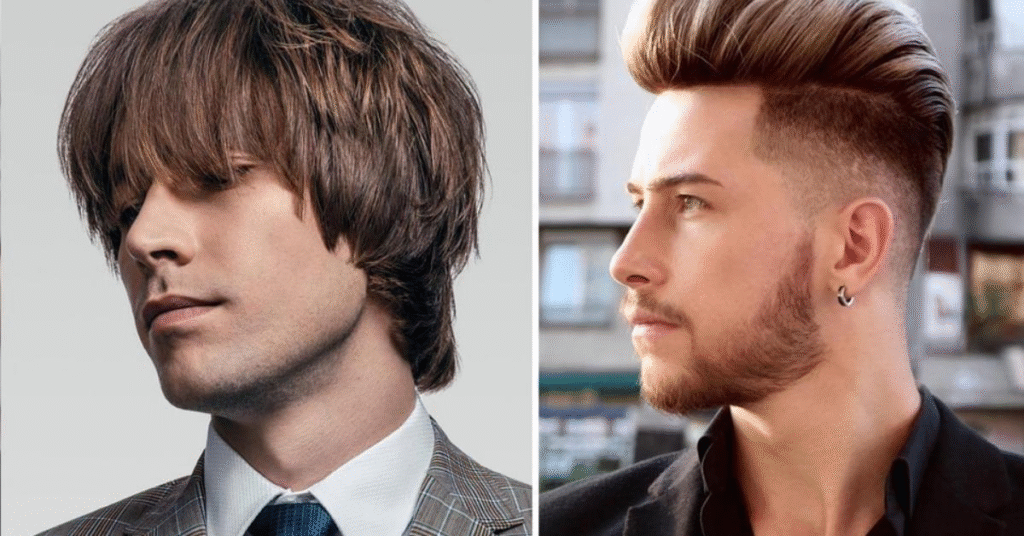
One of the most popular places where people compare texture vs layers is in the bob haircut. A layered bob looks polished and full-bodied, great for office or formal settings. Meanwhile, a textured bob leans casual, messy, and fashion-forward, perfect for those who love that Instagram-ready look.
Stylists often recommend a choppy textured bob for a youthful vibe, while a sleek layered bob works best for a sophisticated finish. Both can be tailored with bangs, face-framing cuts, or even asymmetrical edges for a trendy twist.
Conclusion
The debate of textured vs layered hair is not about which is better it’s about which is better for you. Textured cuts bring out a carefree, effortless charm, while layered cuts give structure, bounce, and styling versatility. The magic often happens when both are blended, offering the balance of movement and shape.
Before choosing, think about your hair type, daily routine, and personal style. Are you someone who wants a wash-and-go look with natural flow? Go textured. Do you enjoy playing with curling irons, blow-dryers, and sleek finishes? Layers are your best friend.
Whatever you decide, remember that a great haircut should not just fit your face but also fit your lifestyle. And if you want to track your hair health along the way, don’t forget to measure your hair growth progress with our hair growth calculator tool.
FAQs
1. Is textured hair the same as layered hair?
No, textured hair focuses on breaking up heaviness for softness, while layered hair creates structured sections of varying lengths.
2. Which haircut is better for thin hair textured or layered?
Layered cuts work better for thin hair as they add volume. Too much texturing can make fine hair appear thinner.
3. Can I have both layers and texture in one haircut?
Yes, many stylists combine layers for structure with texture for softness, giving you the best of both.
4. Is textured hair low-maintenance?
Yes, textured cuts often need minimal styling and look great with natural drying and a bit of texturizing spray.
5. Which looks better in a bob layered or textured?
A layered bob looks polished and sleek, while a textured bob is casual, trendy, and youthful. The choice depends on your style.

Steve Stark is a passionate men’s grooming enthusiast specializing in modern and classic haircuts. He delivers expert insights, trends, and styling tips for all hair types.